

Young Farmers in the Peak District Leverage SFI for Sustainable Growth – AN UPDATE
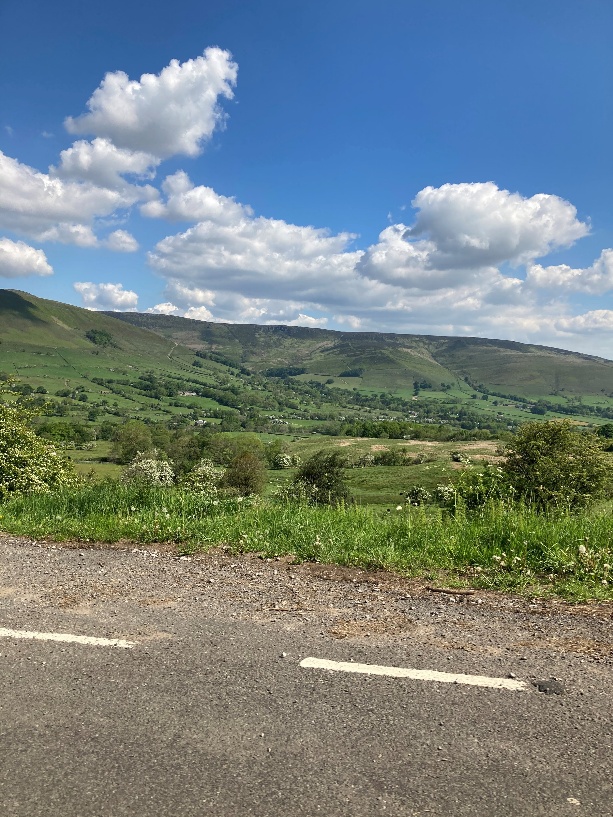
With the Government’s recent announcement providing detail of the SFI 2026 scheme due to open for applications in June (farms under 50ha and those without existing environmental agreements) and September, this case study highlights how SFI has previously been used to get a young farming couple on the farming ladder.
The Challenge
Starting a new farm tenancy with cashflow pressures and a vision for long-term success.
A young farming couple from Derbyshire, with roots in dairy farming and construction, recently secured their first farm tenancy within the Peak District National Park. On a rainy visit, the couple—along with their newborn son—discussed their ambitious plans. Initially, they would raise fattening beef cattle from a dairy herd, with hopes of starting their own dairy operation within 10 years. However, with cashflow a top priority, they needed to maximise income early on.
The Vision
Their goal was clear: maintain the farm’s viability while laying the groundwork for a future dairy operation. The couple recognised the Sustainable Farming Incentive (SFI) as a key opportunity to support cashflow during the early years of their tenancy. Having already seen the benefits of herbal leys—such as reduced fertiliser costs, extended grazing periods, and improved soil health—they were eager to implement these strategies on their new land.
The Solution
By incorporating herbal leys into their grazing and grassland management, the couple could optimise nutrient use and reduce input costs. They were also well-versed in adapting their practices to suit the leys, ensuring sustainability and productivity.
With many fields enclosed by stone walls, the couple learned they could receive annual payments under the SFI for maintaining these key landscape features—a priority for their landlord. Additionally, the traditional stone barns on the farm, still in use for storage, qualified for payments related to their upkeep, further boosting income.
After a quick calculation, they realised that without making significant changes to their current or planned farming practices, they could generate income from the SFI exceeding £50 per acre per year above their rental payments. This steady, quarterly income stream would help stabilise their cashflow and support their long-term plans.
The Results
The couple’s careful integration of the SFI into their farm management allows them to reduce financial risk while maintaining food production. The SFI payments, combined with efficient land use, provide them with a known and stable income, helping them secure the farm’s future.
Conclusion
For this young farming couple, the SFI has been a lifeline, offering financial stability during their farm’s critical early years. By leveraging the scheme’s benefits—without compromising food production—they’ve set the foundation for long-term sustainability and success. The SFI proves to be a valuable tool for reducing financial risks, particularly on less productive areas of the farm.
Update
Since the initial visit the farm has gone from strength to strength, installing a parlour and establishing and autumn block calving herd. The farm holding has doubled in size due to the offer of further grassland on tenancy agreements. Due to the nature of this SFI agreement the couple can expand the area claimed for rotational actions helping to meet the increased rental payments that come with expansion.
If you would like to benefit from ARC’s funding solutions, finance options and rural business development solution-based advice please contact: